The 400 mg guide
According to the FDA, healthy adults can usually have up to about 400 mg of caffeine a day without negative effects. That is not a target, and some people react to much less. Pregnant or breastfeeding women, people with heart conditions and anyone on certain medicines should aim lower or ask a doctor.
Typical caffeine amounts
| Drink | Approximate caffeine |
|---|---|
| Brewed coffee, 8 oz | 80-100 mg |
| Espresso, 1 shot | about 65 mg |
| Black tea, 8 oz | about 47 mg |
| Green tea, 8 oz | about 30-50 mg |
| Cola, 12 oz | about 30-40 mg |
| Energy drink, 16 oz | about 150-300 mg |
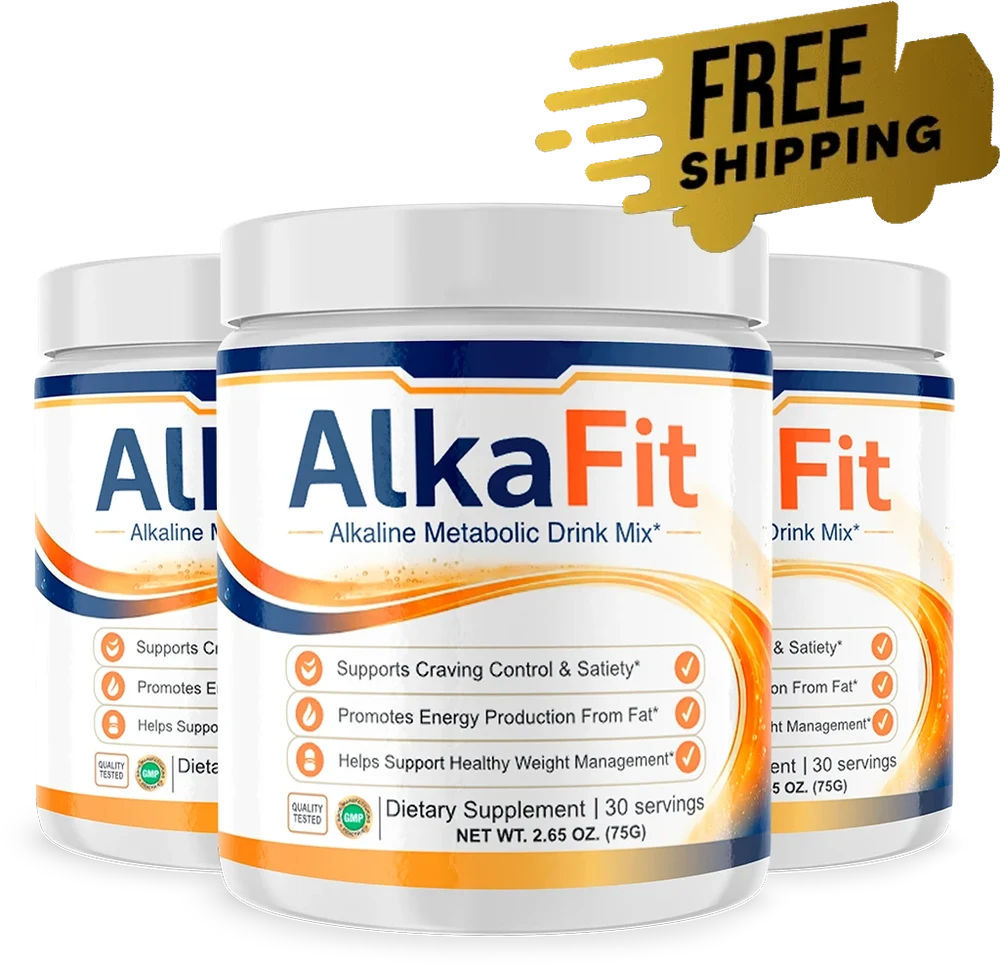
| AlkaFit, 1 scoop | Not stated on label |
Amounts vary by brand and brewing.
Hidden caffeine in supplements
Green tea extract, green coffee bean extract, guarana, yerba mate and kola nut all contain caffeine, often without a number on the label. AlkaFit has two of these. Until the seller states an amount, a cautious assumption is that a scoop may contain about as much as a cup of tea, possibly more.
Signs you have had too much
- Jitters, shakiness or anxiety
- Fast or irregular heartbeat
- Upset stomach
- Trouble sleeping
- Headache or dizziness
Chest pain, fainting or seizures need emergency care.
Cutting back without headaches
Reduce gradually, by about one drink every few days. Swap a coffee for AlkaFit rather than adding it, or switch afternoon drinks to decaf. See Caffeine plus L-theanine: the calm-focus pair for timing tips.
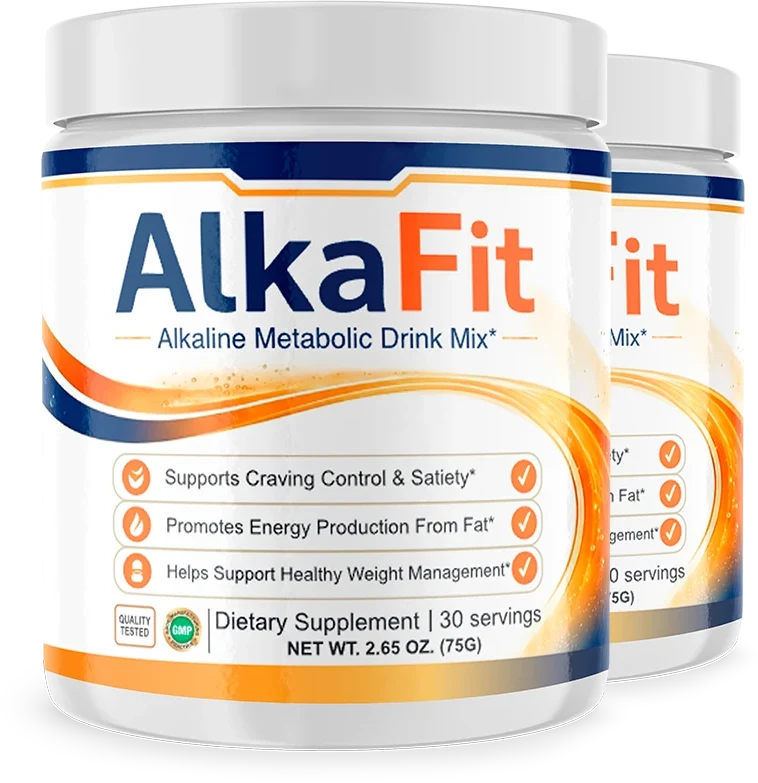
Comparing the AlkaFit tub packages? The 6-tub order works out at $49 a tub ($1.63 a day). If you drink coffee or take medicines, read the caffeine and safety guide first.
See Today’s AlkaFit OfferQuestions
Does caffeine boost metabolism?
Slightly and temporarily, by a few percent. Regular users build tolerance.