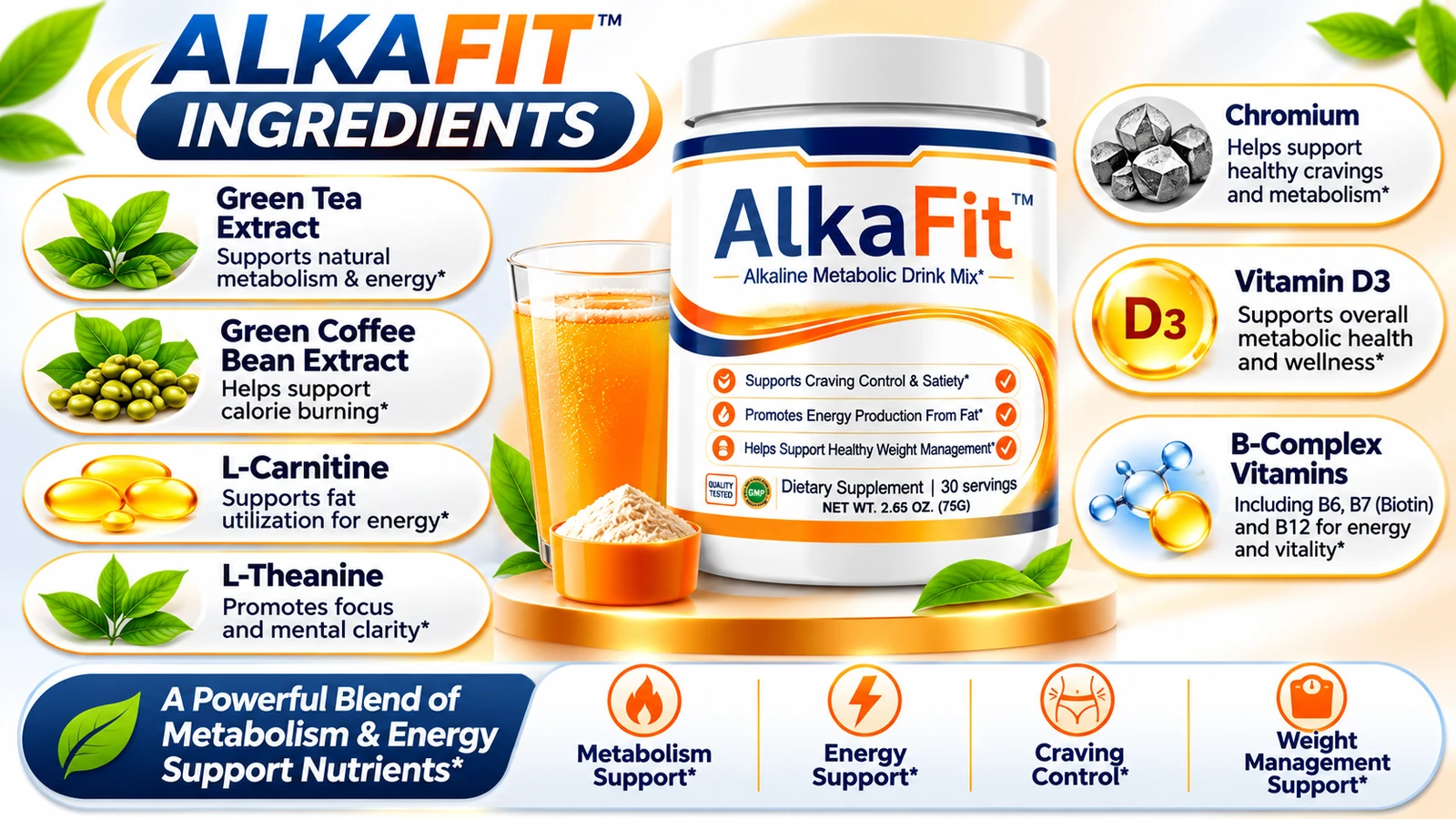
 Thermogenic · 300 mg (15% EGCG = 45 mg)
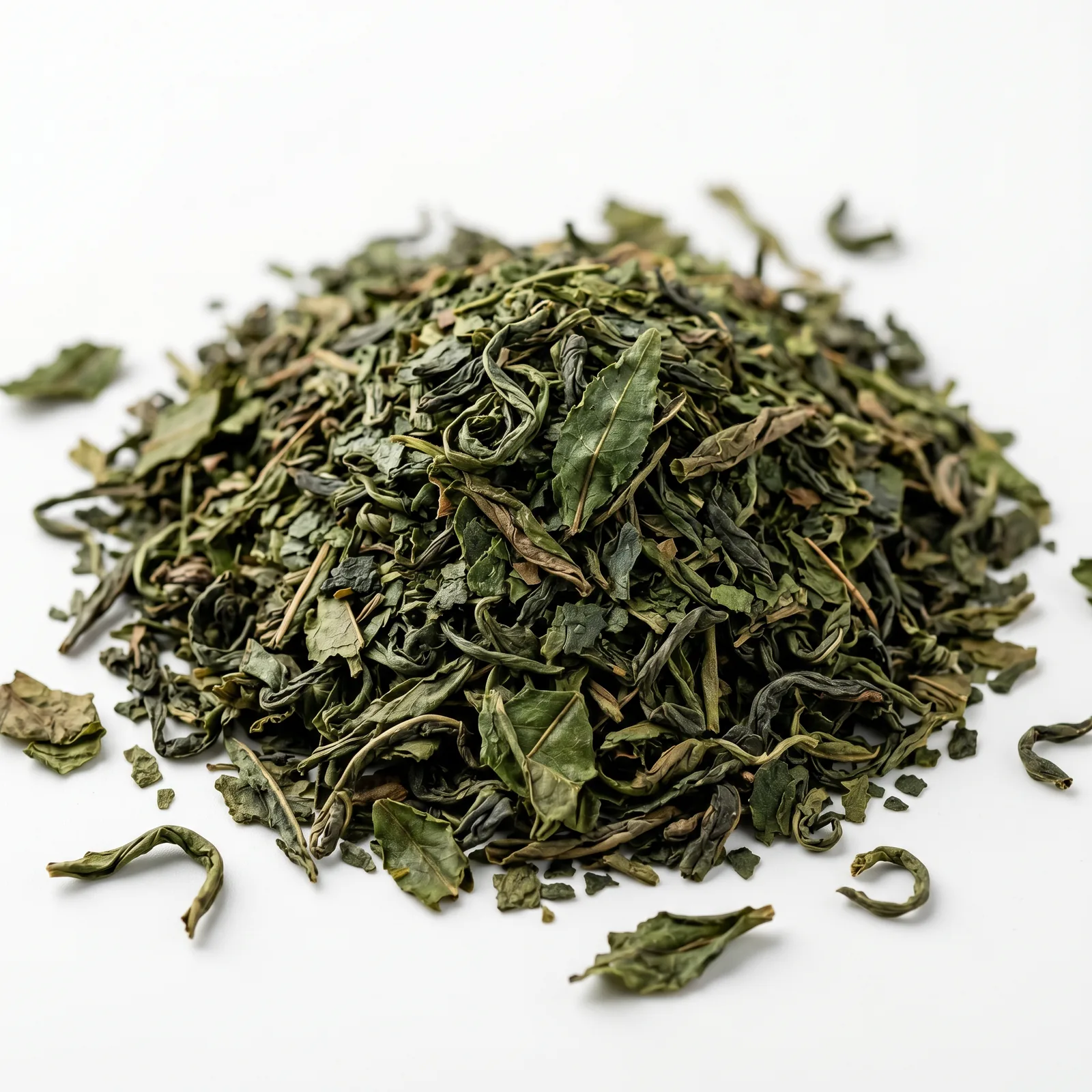
Green Tea Extract
What it is: A concentrated extract of Camellia sinensis leaves, standardised for EGCG, the main tea catechin. It naturally brings some caffeine along.
Research: A Cochrane review of green tea preparations found weight loss in adults with overweight was small and not clinically meaningful, and studies varied widely.* (source)
Watch for: Rare liver injury has been reported with concentrated extracts; take it with food and stop if you notice jaundice or dark urine.
 Glucose & fat · 200 mg
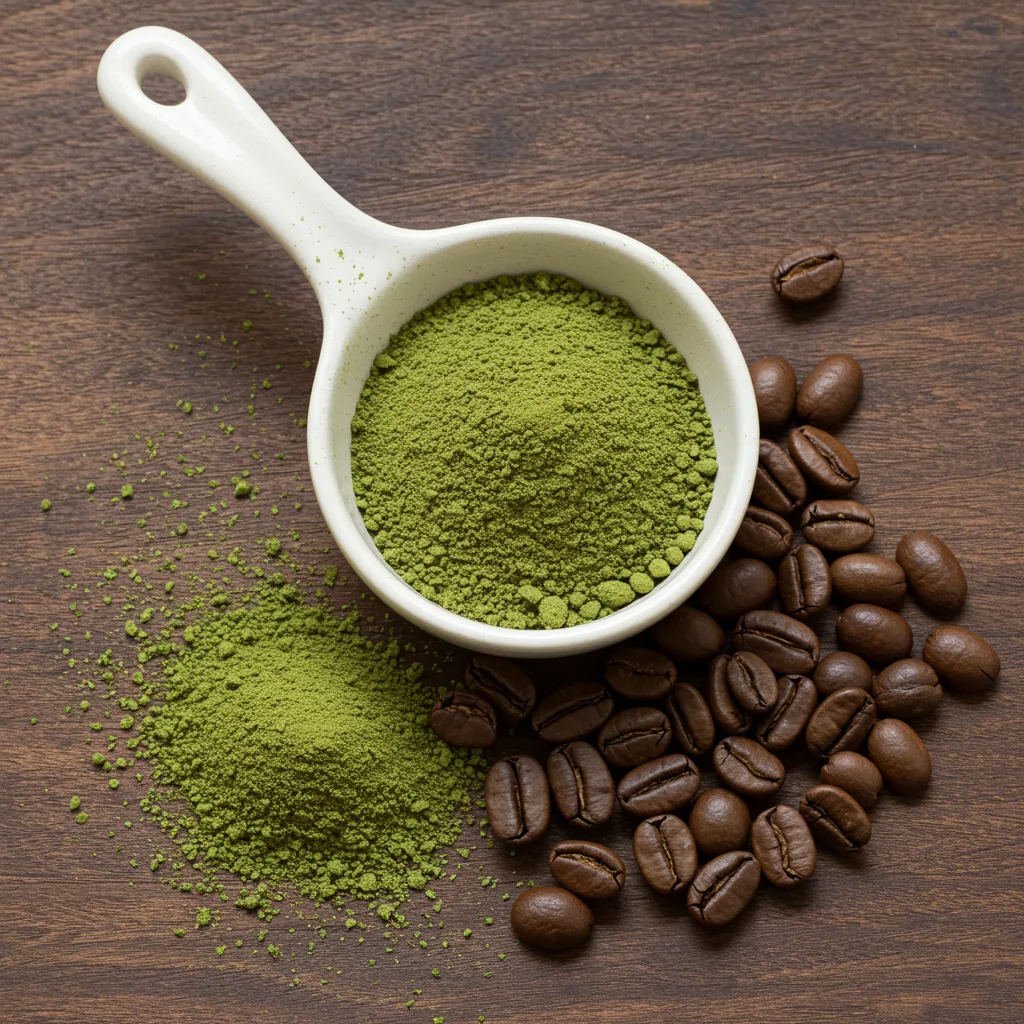
Green Coffee Bean Extract
What it is: Unroasted coffee beans, rich in chlorogenic acids that roasting mostly destroys. The label does not state the chlorogenic acid percentage.
Research: A meta-analysis of three small trials found a modest difference in weight, but the authors rated the trials poor quality and called for better studies.* (source)
Watch for: Contains caffeine unless decaffeinated; may cause stomach upset or jitters, especially with coffee.
 Fat transport · 100 mg
L-Carnitine (base)
What it is: A compound made from the amino acids lysine and methionine that ferries long-chain fats into mitochondria to be burned.
Research: Your body makes enough carnitine, and red meat supplies more. Weight-loss trials typically used 1,000 to 3,000 mg a day, 10 to 30 times this dose.* (source)
Watch for: Large doses can cause nausea and a “fishy” body odour; 100 mg is very low.
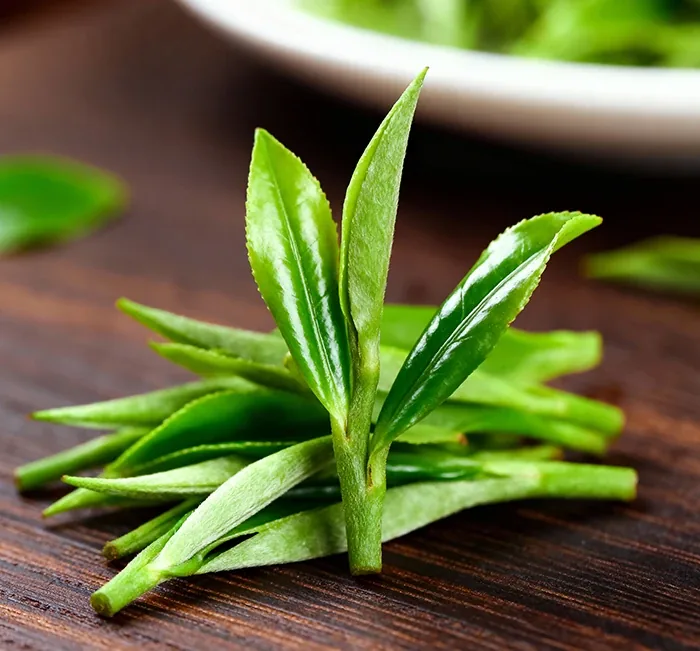 Calm focus · 100 mg
L-Theanine
What it is: An amino acid found almost only in tea leaves, linked to the relaxed alertness people associate with green tea.
Research: A 2010 trial found 97 mg of theanine with 40 mg of caffeine improved accuracy on a task-switching test, close to the label dose.* (source)
Watch for: Generally well tolerated; may add to the effect of sedatives or blood pressure medicines.
 Blood sugar · 20 mcg (57% DV)
Chromium (as chloride)
What it is: A trace mineral that helps insulin do its job. Adults need about 20 to 35 mcg a day, which most diets provide.
Research: NIH says chromium supplements have only a small effect on weight. Studies of cravings used 200 to 1,000 mcg, far above 20 mcg.* (source)
Watch for: Ask first if you take diabetes medicine, since chromium could add to its effect.
 Everyday nutrition · D3 20 mcg · B6 1 mg · B12 5 mcg
Vitamins D3, B6 & B12
What it is: Three vitamins at multivitamin-style amounts: 100% of the Daily Value for D3, 59% for B6 and 208% for B12.
Research: These vitamins support normal energy metabolism and bones, but extra amounts do not boost energy in people who are not low.* (source)
Watch for: Count them if you already take a multivitamin or a vitamin D supplement.
The label in one table
Supplement Facts
Serving size: 1 scoop (2.5 g)
Servings per container: 30
| Amount per serving | % DV | |
|---|---|---|
| Vitamin D3 (as cholecalciferol) | 20 mcg | 100% |
| Vitamin B6 | 1 mg | 59% |
| Vitamin B12 | 5 mcg | 208% |
| Chromium (as chromium chloride) | 20 mcg | 57% |
| Green tea extract (leaf, 15% EGCG) | 300 mg | † |
| Green coffee bean extract | 200 mg | † |
| L-Carnitine (base) | 100 mg | † |
| L-Theanine | 100 mg | † |
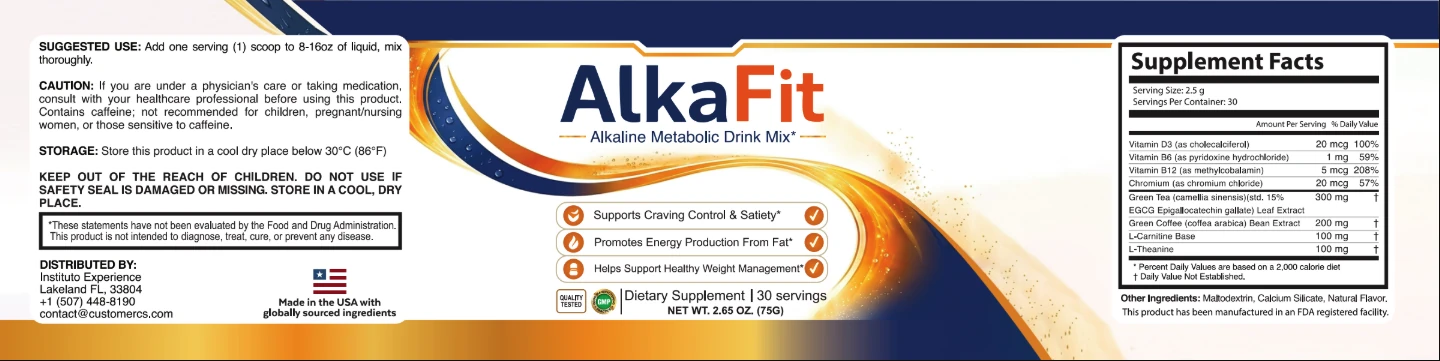
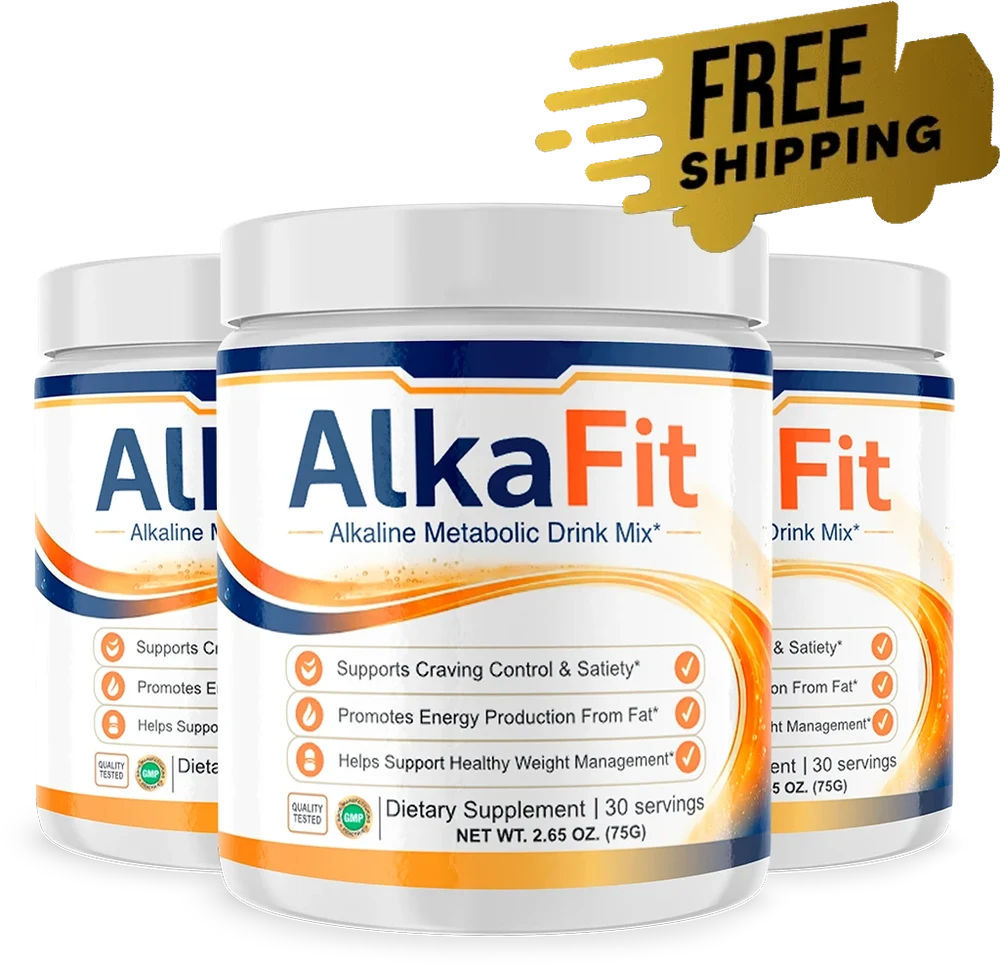
Label wording: “Alkaline Metabolic Drink Mix”, “Supports craving control & satiety*”, “Promotes energy production from fat*”, “Helps support healthy weight management*”. Distributed by Instituto Experience, Lakeland, FL 33804.
Bars are scaled within each row. Study ranges are typical figures from the trials and reviews cited on this site.
Green tea extract: the details
Three hundred milligrams of extract standardised to 15% EGCG gives 45 mg of EGCG per scoop, roughly what a strong cup or two of brewed green tea provides. Catechins and caffeine together are thought to nudge energy expenditure and fat oxidation slightly. The Cochrane review found weight loss in adults with overweight was small and not clinically important, and the Linus Pauling Institute reaches a similar conclusion. Safety is the bigger story: concentrated extracts have been tied to rare liver injury (systematic review). See Green tea extract, EGCG and your liver.
Green coffee bean extract: the details
Green coffee beans are rich in chlorogenic acids, which may slow glucose absorption in the gut. The 2011 meta-analysis pooled three small randomised trials and found a modest weight difference, but rated the trials as poor quality with high risk of bias, and one later trial in this field was retracted. The label does not state the chlorogenic acid percentage, so the 200 mg figure cannot be compared precisely. See Green coffee bean extract and chlorogenic acid.
L-theanine and caffeine: the details
L-theanine is an amino acid almost unique to tea. In a 2010 trial 97 mg of theanine taken with 40 mg of caffeine improved accuracy when switching between tasks, though volunteers did not feel more alert. AlkaFit’s 100 mg of theanine matches that study well. The caffeine side is unknown because the label does not state it. See Caffeine plus L-theanine: the calm-focus pair.
L-carnitine: the details
Carnitine moves long-chain fatty acids into mitochondria. Healthy people make all they need and get more from meat and dairy, as the NIH carnitine fact sheet explains. Trials looking at weight used 1-3 g a day; 100 mg is a token amount. See L-carnitine and fat metabolism.
Chromium: the details
Chromium helps insulin move glucose into cells. Adults need about 20-35 mcg a day, so 20 mcg is a dietary-level top-up. According to the NIH chromium fact sheet, supplements have only a small effect on body weight at much higher doses. See Chromium and sugar cravings.
Vitamins D3, B6 and B12: the details
20 mcg (800 IU) of vitamin D3 meets the Daily Value; B12 at 5 mcg is about twice it; B6 at 1 mg is just over half. These support normal metabolism and are sensible if your diet is low, but the NIH vitamin D and vitamin B12 fact sheets do not describe extra energy in people who already get enough. See Vitamin D3, B6 and B12: energy vitamins?.
The inactive ingredients
Maltodextrin is a quick-dissolving starch that bulks out the scoop; at about 1.8 g it adds roughly 7 calories. Calcium silicate keeps the powder from clumping. “Natural flavor” is unspecified; the label does not list a sweetener. Read more in Powder drink mix vs capsules.
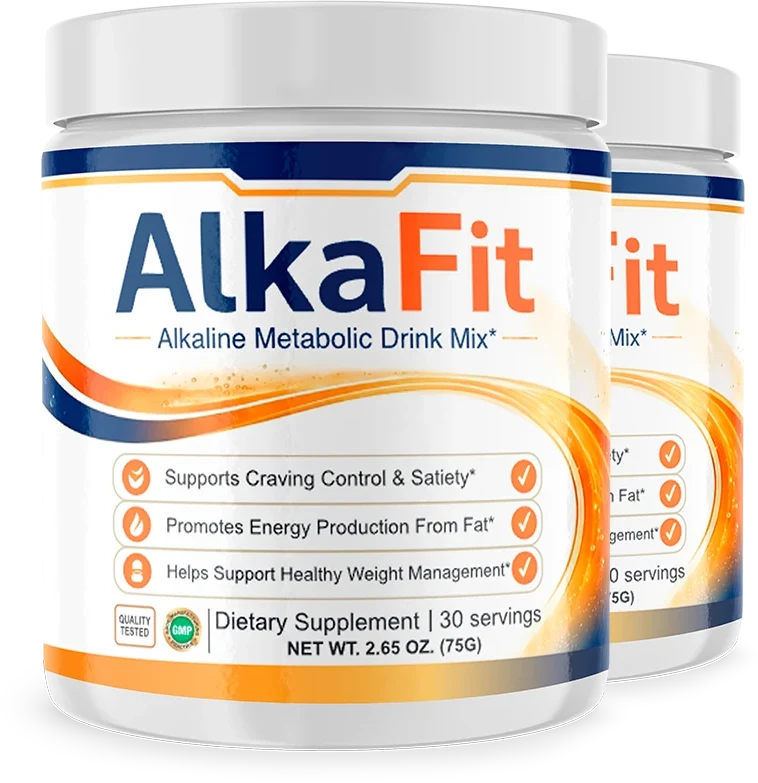
Comparing the AlkaFit tub packages? The 6-tub order works out at $49 a tub ($1.63 a day). If you drink coffee or take medicines, read the caffeine and safety guide first.
See Today’s AlkaFit OfferQuestions
Which AlkaFit ingredient matters most?
Green tea extract, because it is closest to study doses and carries the main safety caution.
Is AlkaFit vegan or gluten free?
The label art we saw does not make allergen claims. The seller’s badges mention vegetarian, gluten-free and dairy-free, but we could not verify them on the label.
Does AlkaFit contain sugar?
No sugar is listed. Maltodextrin is a carbohydrate, about 1.8 g per scoop.